How is transit responding to reopening?
November 02, 2021
November 02, 2021
Roundtable discussion: Experts reveal how the pandemic accelerated change in how we get around
This article first appeared as “Getting back: Roundtable” in Stantec Design Quarterly, Issue 13.
After a year of shutdowns and severe interruption, transportation networks around the world are gradually ramping up service as the public resumes commuting and traveling. But don’t expect a return to business as usual.
The pandemic changed the way communities and designers are thinking about everything from business models to transportation modes, even where we want to go (not always the office). To make sense of where transit, airport, and smart mobility are headed, we gathered two experts for a roundtable. Ken Anderson, transit sector leader and Alex Thome, Buildings airport leader, talk with John Dugan, editor of the Stantec Design Quarterly, about the changes to transit as we emerge from the COVID-19 pandemic.
Here are the highlights.
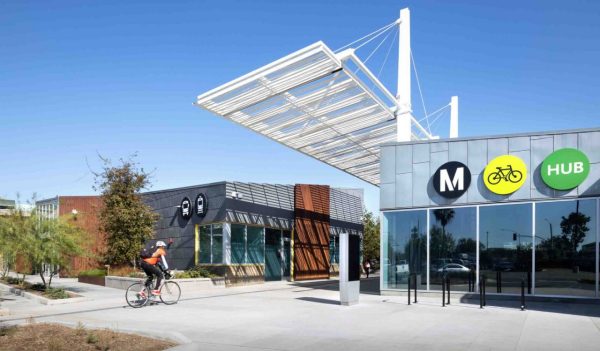
Willowbrook/Rosa Parks Station Improvements Project in Los Angeles, California.
Alex: The pandemic exposed a serious challenge to airport and airline business models—they were focused almost solely on flying. In response, airports have reset their thinking from “How do we best fly passengers in and out of our airports and capture revenue from those passengers?” to “How do we diversify our business by leveraging our real estate assets to generate revenue and be profitable even when flying isn’t possible?”
Transportation technology is advancing rapidly, COVID has drawn attention to that fact. Everyone gets packages delivered to their doors instead of going to the store. Online and delivery services boomed because we were rethinking health, safety, and our time during the pandemic. That’s further transformed airports into places that move goods around the world. Airports must see themselves as part of a broader transportation network.
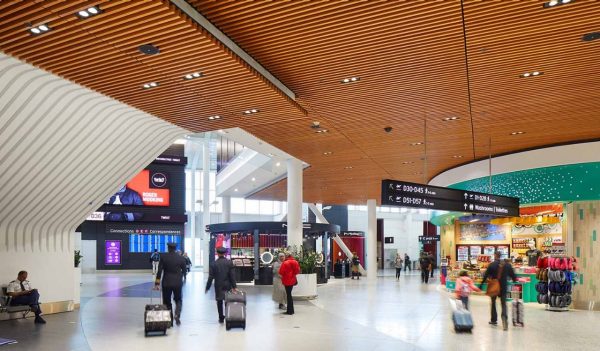
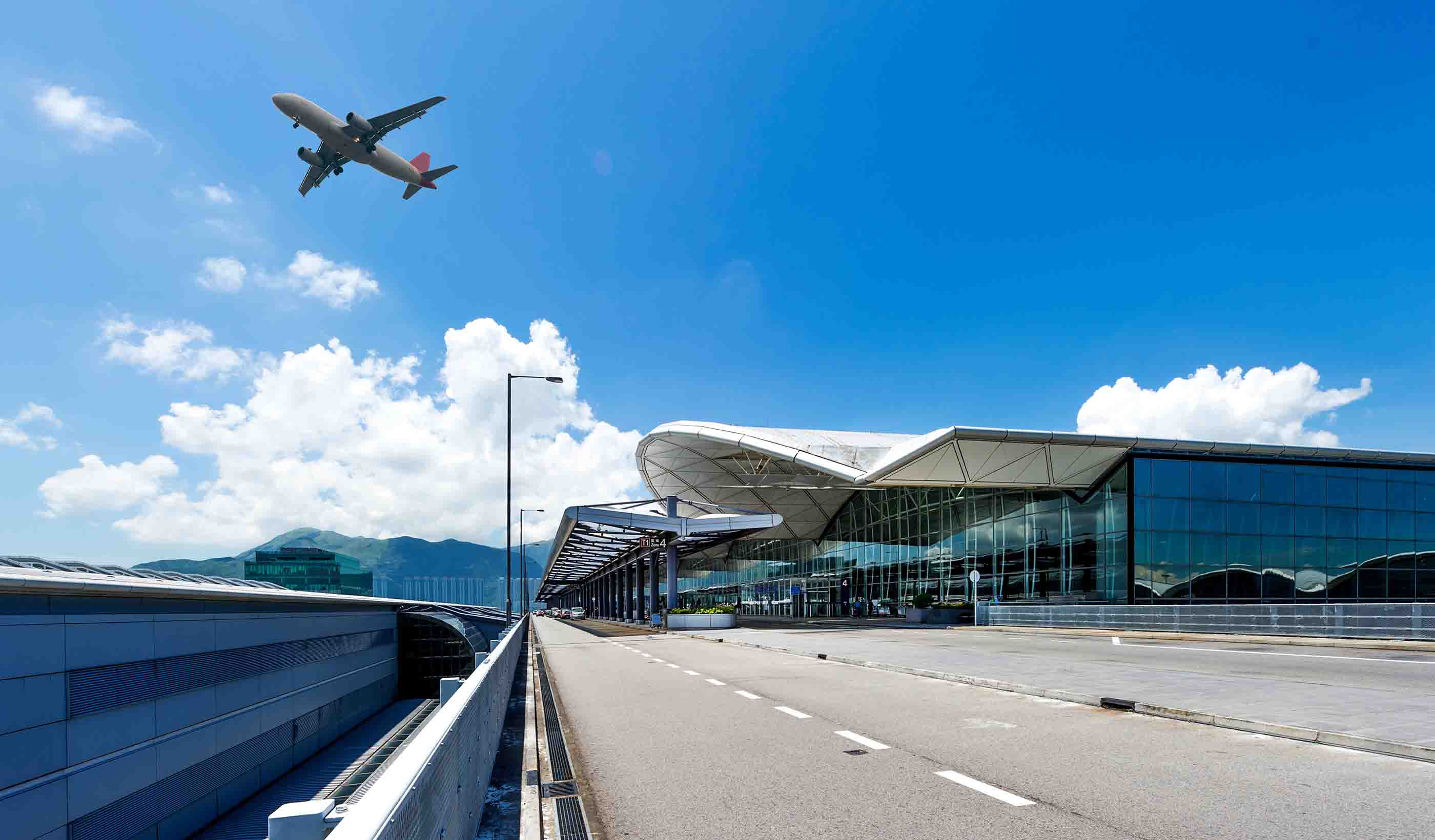
Toronto Pearson International Airport in Toronto, Ontario.
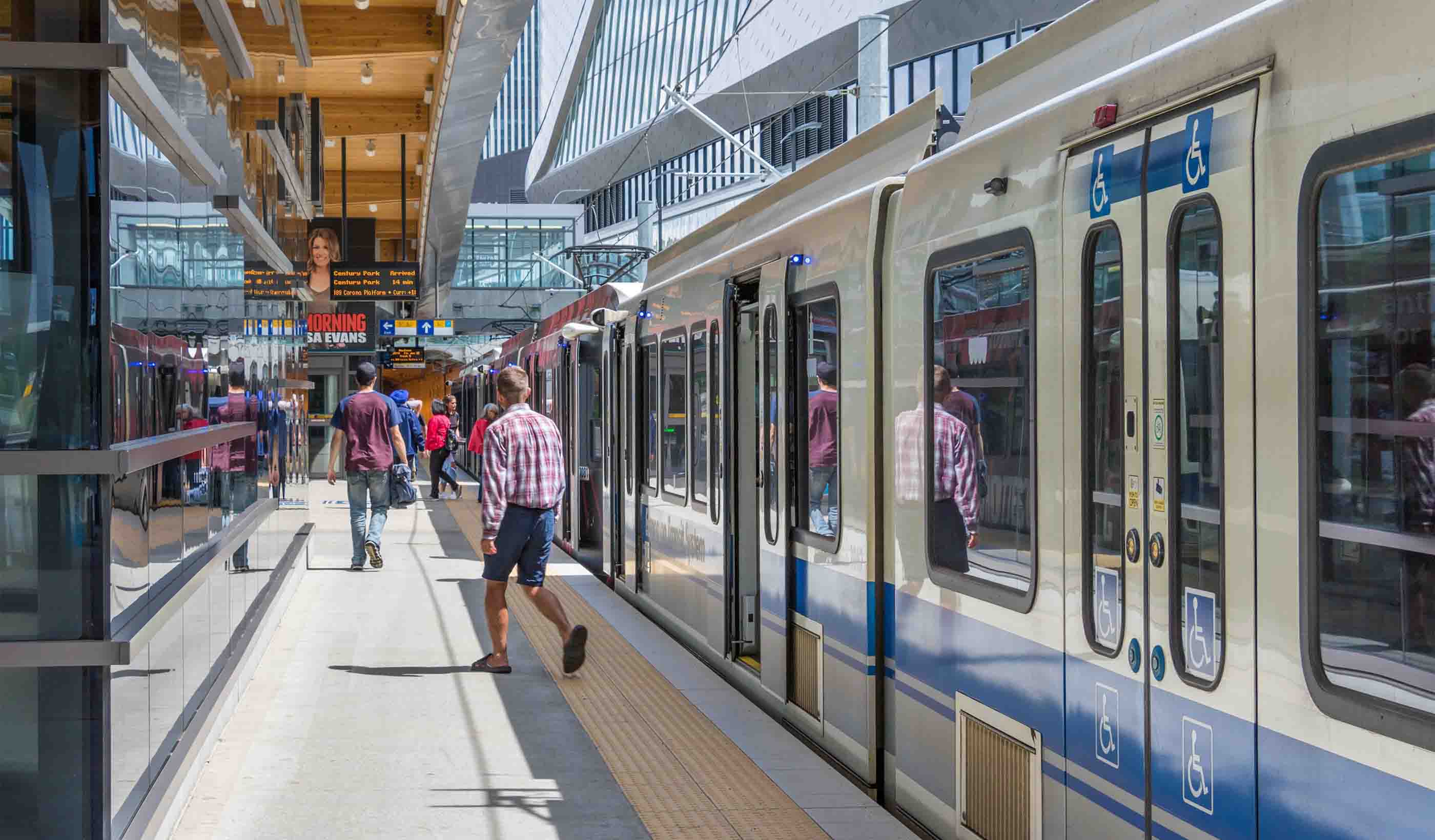
Ken: With transit, the main metric is always ridership. During the pandemic, ridership plummeted. Most agencies lost 80- 90% of their riders. With the vaccine things are opening rapidly. We’re seeing ridership come back 40-45% of where it used to be, and the agencies’ projections for fall are optimistic.
We didn’t see much of a slowdown in investment. Some agencies had money that was independent of ridership, so they had capital to do work. And any agency that has a state of good repair (SGR) project, sees that this is the time to do it because of the softening of ridership. Plus, every stimulus package and COVID relief package has had a transit component to it. The question for transit agencies long term is, how long will it take for ridership to fully return (if it does) and how do they sustainability replace capital funding beyond the stimulus?
Alex: The challenge that airports have is “how do you plan an airport effectively that’s going to bring passengers back in the short term and make them feel comfortable?” So, there are spacing requirements and airports are pushing toward more touchless technologies.
Imagine the crowded queuing areas for TSA checkpoints when you spread people out 6 feet apart. Those lines go out the front door. How do they plan for the long term, knowing we’ll likely be back to closer spacing in 2 years? Building in flexibility is an interesting challenge.
We’re working on designing small office hubs next to the smart mobility hubs so that you can meet people and spend time with people in a work environment.
How much do you invest in infrastructure for the short term, with the understanding that COVID won’t be around for a long time but that something else might come up?
Airlines need to figure out how they fit in. After 9/11, they commoditized and during COVID, they parked their fleets of aircraft. So, now they are reevaluating the route maps, the hubs that they were serving, the destinations, even the type of aircraft that they fly. They look at fuel consumption per passenger, range, comfort, cost, and re-evaluate their aircraft.
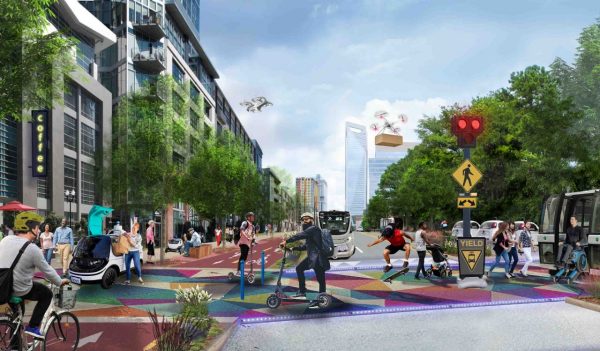
Brooklyn Village in Charlotte, North Carolina.
Ken: They do. It's all interconnected. People are moving to second-tier cities for reasons including cost and work-from-home policies. So, both the first- and second-tier cities need to look at their service and social distancing. As we get more ridership, there’s still a social distancing component within the buses or trains and that’s likely to stay a little while longer.
Alex: Technology is forcing airports to think about their business models and a shift toward goods and passengers. Airports are leveraging their land to become part of broader manufacturing and distribution streams, so we’re going to see things like end-to-end manufacturing setup and processes at the airport. The idea is that a product is developed and manufactured at the airport, and it’ll get put in a plane and go right to its destination from the airport.
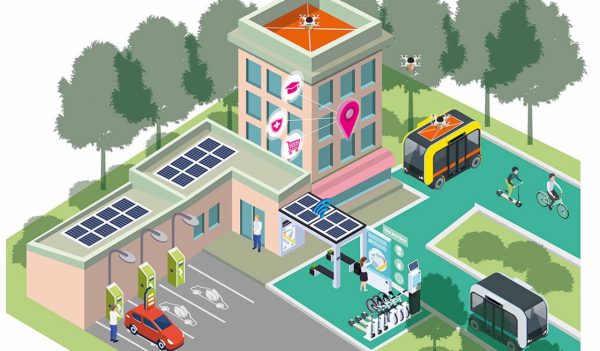
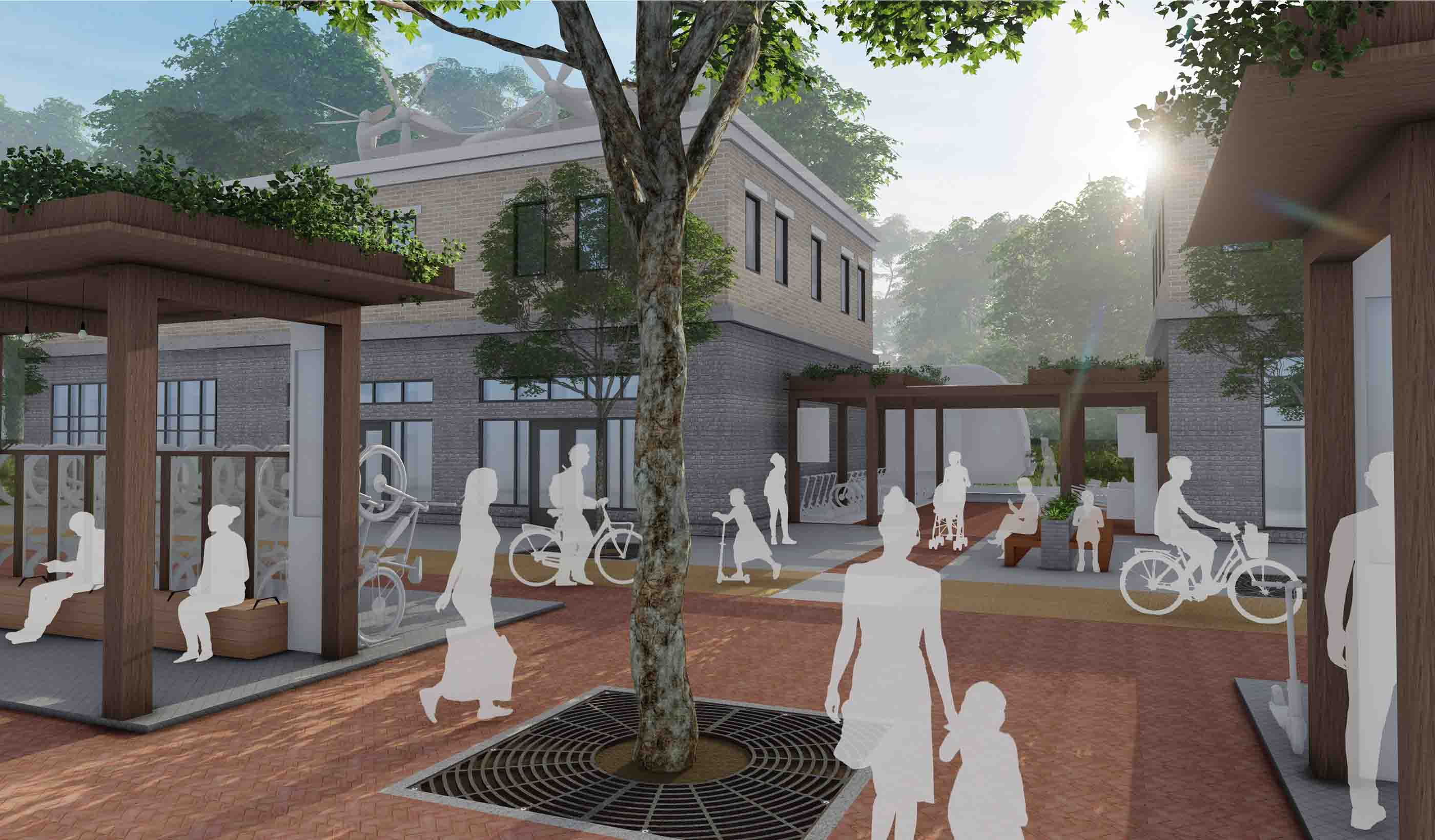
A multimodal transport hub with mixed-use building concept.
Alex: The industry is not only developing vertical takeoff and landing aircraft, but they’re also working on rocket-like long distance aircraft to fly very fast at high altitudes. Biotech companies are developing net zero carbon jet fuel as a short-term sustainable solution for existing jets. In Texas, they are investigating hyperloop to connect cities as quickly as air travel and the station will be in the middle of town.
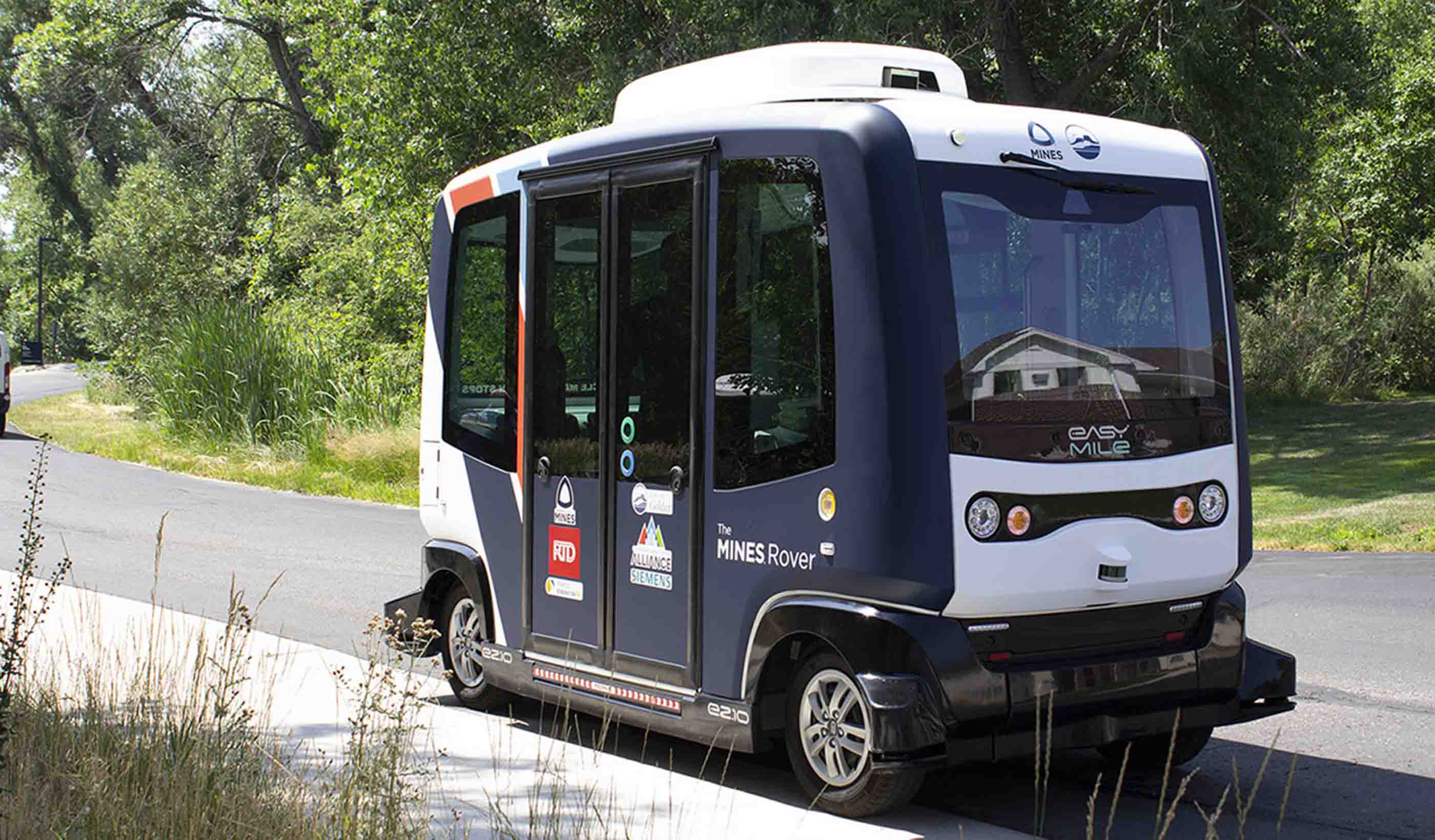
Ken: The awareness of and the capability of AVs is greater than it was. However, the money to deploy it is still in question, and there’s a lot of consolidation in the AV industry. So, we’re doing mobility planning with AV in the background.
We’re seeing more flexibility in the types of ticketing transport providers are producing. From a smart mobility perspective, we want to integrate all the solutions into one with one platform where you pay one price for one journey. There must be some restructuring in revenue collection. We have the data and capability to be able to create new products that will be able to deliver them the revenue that they need from this multimodal system, designing the infrastructure and the digital infrastructure required as well. That’s revenue for that municipality, but it’s also just a good customer experience.